Your family deserves steady care that prevents pain, fear, and surprise bills. A general dentist can spot small problems before they grow into infections or tooth loss. That is the power of routine preventive services. You may feel busy or tired or worried about cost. Yet skipping simple visits often leads to emergency visits that cost more and hurt more. A Palm Beach Gardens dentist can guide your family through five basic services that protect teeth and gums for years. These services clean away stubborn plaque, catch cavities early, shield weak teeth, and track changes in your child’s mouth. They also support your overall health. You gain clear answers, simple steps, and a plan that fits your life. You leave each visit with less fear and more control. You give your family comfort, safety, and strong smiles that last.
1. Regular Exams And X Rays
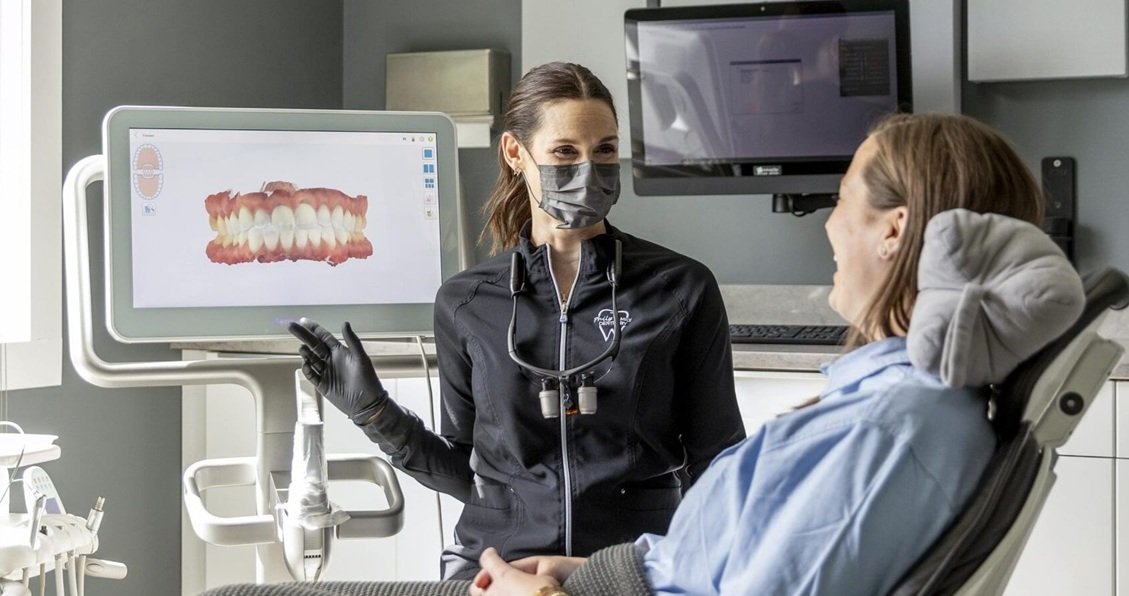
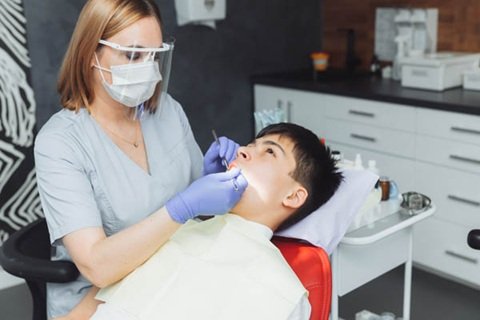
You should schedule a checkup every six months. During this visit, the dentist checks each tooth, your gums, and your bite. The goal is to find decay, cracks, or gum disease while they are small. Early care is simple. Late care often needs shots, drills, and root canals.
The dentist also uses dental X rays. These images show problems that hide between teeth or under fillings. Children need X rays more often because their mouths change fast. Adults with low risk may need them less often. The dentist will set a plan that fits each person.
You can read about routine exams and X rays from the Centers for Disease Control and Prevention. The CDC links poor oral health with missed school days and missed workdays. Regular exams protect both health and income.
2. Professional Cleanings
Brushing and flossing at home matter. Yet they cannot remove all plaque and tartar. A hygienist uses special tools to clean spots that you miss, such as along the gumline and behind back teeth. This care prevents gum disease and bad breath.
During a cleaning visit, you can expect three steps.
- Scaling to remove hard tartar
- Polishing to smooth tooth surfaces
- Flossing to clear out trapped debris
You also get coaching on brushing and flossing. The hygienist can show your child how to angle the brush and how long to clean. This teaching builds strong habits that protect teeth through school and into adult life.
3. Fluoride Treatments
Fluoride is a natural mineral that strengthens tooth enamel. It helps repair early damage from acids before a full cavity forms. Many communities add fluoride to public water. Yet children and adults with higher risk often need extra fluoride in the dental office.
The dentist can place fluoride as a foam, gel, or varnish. The process is quick and painless. It often takes only a few minutes at the end of a cleaning. Children with frequent cavities may need it every three or six months. Adults with dry mouth or many fillings may also benefit.
The National Institute of Dental and Craniofacial Research explains how fluoride lowers decay and protects teeth across a lifetime. You can review that source if you have questions about safety.
4. Dental Sealants For Children
Sealants are thin coatings placed on the chewing surfaces of back teeth. These teeth have deep grooves that trap food. Even strong brushing may not reach into each groove. Sealants block those traps so bacteria cannot start decay.
Your child usually gets sealants soon after permanent molars come in. This often happens around ages 6 and 12. The process does not hurt. The tooth is cleaned, dried, and painted with a liquid material. The dentist then hardens it with a special light.
Sealants can last several years. The dentist checks them at each visit and fixes any worn spots. This extra shield can prevent many fillings in childhood and beyond.
5. Personalized Home Care And Counseling
The dentist is your partner, not just a fixer. Each preventive visit is a chance to talk about daily habits. You can ask about brushing, flossing, diet, sports guards, and thumb sucking. The dentist listens and gives clear steps that match your home life.
Three simple topics often guide this talk.
- How often and how long you brush and floss
- How much sugar and acid your family eats and drinks
- What tools you use, such as electric brushes or floss picks
This coaching turns short office visits into long term protection at home. Children also see that health is a shared job. That lesson builds trust and reduces fear.
Cost And Health Comparison
Preventive services cost less than emergency treatment. They also reduce missed school days and missed workdays. The simple table below shows common patterns for many families.
| Type of Care | Typical Timing | Average Cost Range per Visit | Common Outcomes |
|---|---|---|---|
| Routine exam and cleaning | Every 6 months | Low to moderate | Fewer cavities, early problem finding |
| Fluoride treatment | Every 3 to 12 months | Low | Stronger enamel, fewer new cavities |
| Sealants on molars | Once per new molar, with checks at visits | Low to moderate | Lower risk of decay in back teeth |
| No preventive visits | Only when in pain | High and sudden | Extractions, root canals, missed school and work |
How To Start Today
You do not need to fix everything at once. You only need to take the first step.
- Call a general dentist and schedule exams for each family member
- Ask about cleanings, fluoride, and sealants during that visit
- Set reminders for six month checkups on your phone or calendar
When you choose steady preventive care, you trade panic for calm. You give your children a sense of safety in the chair. You also protect your budget from surprise costs. Each simple visit builds a future with fewer emergencies, less pain, and strong teeth that support your family’s health and confidence.