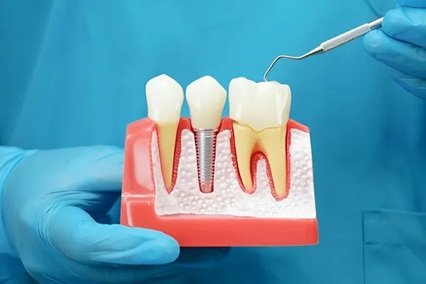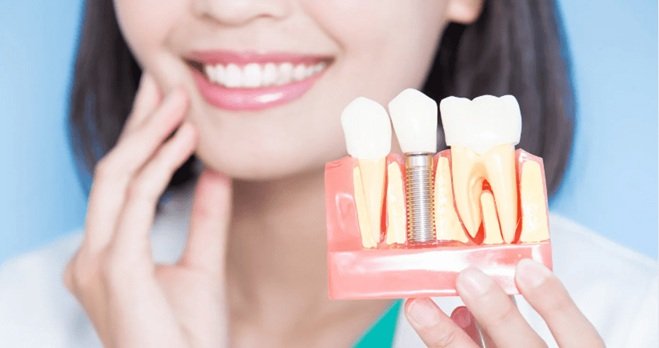
Choosing someone to change your smile is a hard step. You may feel nervous, unsure, or even a bit scared. That reaction is normal. Your teeth affect how you eat, speak, and face other people. So the dentist you choose for implants or cosmetic work must earn your trust. This blog gives you six clear tips to help you judge skill, safety, and honesty. You will learn what to ask, what to check, and what to avoid. You will also see how to compare training, results, and cost. If you are thinking about a dental implant in Walnut Creek or another city, these same steps apply. Each tip is simple. Each one helps you protect your health, your money, and your confidence. You deserve care that looks right, feels strong, and lasts.
1. Check training and implant experience
You trust an implant to act like a real tooth. You should only trust a dentist who places many implants each year. You can ask direct questions. A good dentist will answer in clear language.
- How many implants do you place each month
- How many years have you placed implants
- Do you restore implants and also place them
- What extra training do you have in implants or cosmetic work
You can also confirm a license and any discipline record with your state dental board. The National Institute of Dental and Craniofacial Research explains why steady dental care supports long-term mouth health. A dentist who keeps up with new science and methods shows respect for your safety.
2. Look for clear safety and infection control
Implants and cosmetic work are surgeries on your mouth. Clean tools and safe steps lower your risk of infection and pain. You should see safety with your own eyes when you walk into the office.
Watch for these signs.
- Fresh gloves for each person
- Masks, eye cover, and clean coats
- Wrapped or sealed tools that staff open in the room
- Wipe down chairs and counters between people
You can ask how they clean rooms and tools. You can also ask how they check for blood pressure, health history, and drug use. A careful dentist will ask about your heart, lungs, and bone health before any implant. That review protects you from problems during and after care.
3. Compare results with photos and patient stories
You want to see proof that a dentist can match your goals. A strong office keeps clear before and after photos. The pictures should show real people, not stock images. Faces and smiles should look natural and not fake or harsh.
Use this list as you review photos.
- Teeth match in color and shape
- Gums look firm and not swollen
- Bite looks even from the front and side
- Work blends with the rest of the teeth
Ask if any patients are willing to share a short story or review. You can also read public reviews, but stay alert. A long string of very short, vague reviews can hide real stories. Look for clear details about comfort, time in the chair, and how long results last.
4. Understand costs, insurance, and payment plans
Implants and cosmetic work cost real money. You should not face surprise bills. A good office explains costs in plain words and on paper before care starts.
Ask for a written plan that covers three things.
- Every step of treatment with a price
- What insurance may pay and what it may not pay
- Payment plan choices and any interest
The table below gives a simple example of how different implant choices can compare. These are sample numbers only. Your costs will differ by city, tooth, and your own health.
| Option | Typical purpose | Possible cost range per tooth (USD) | Time to finish |
|---|---|---|---|
| Single implant with crown | Replace one missing tooth | 3000 to 6000 | 3 to 9 months |
| Implant bridge | Replace several teeth in a row | 6000 to 12000 | 4 to 9 months |
| Implant denture | Replace many or all teeth | 8000 to 30000 | 4 to 12 months |
Use the plan and table as tools. You can compare offices in a calm way. You do not need to pick the lowest price. You do need clear value for what you pay.
5. Ask about planning, pain control, and follow-up
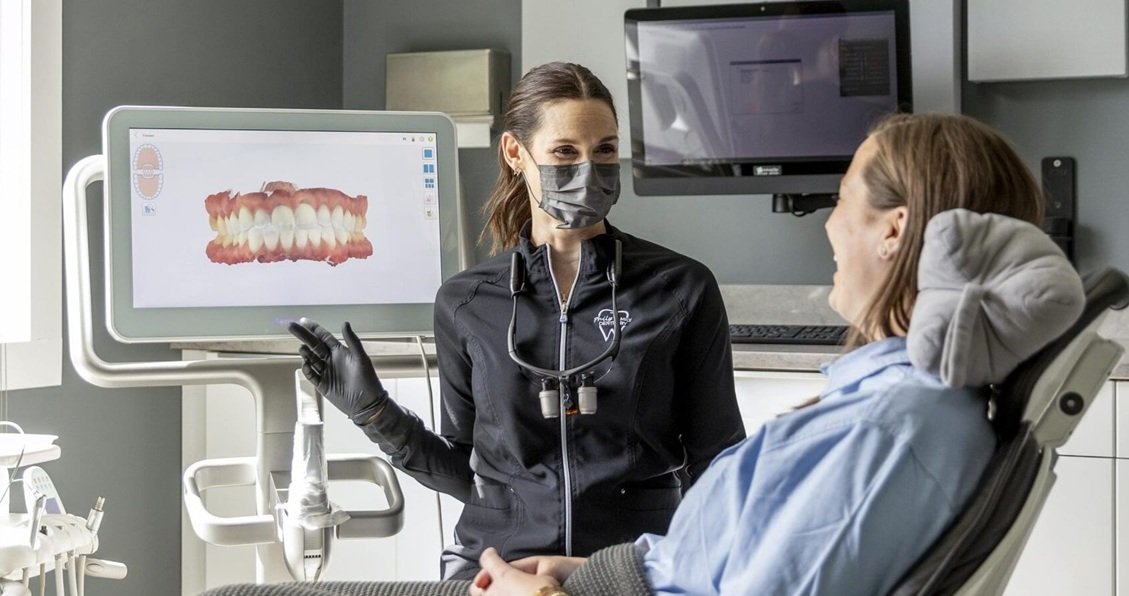
Good results start with careful planning. The dentist should take a full set of pictures and scans before placing any implant. That plan should cover bone height, gum health, and your bite.
Ask these questions.
- What scans will you take before treatment
- Who reads the scans and plans the placement
- What kind of numbing or sleep options do you offer
- Who do I call if I have pain at night or on weekends
The MouthHealthy guide from the American Dental Association explains how regular visits and follow-up protect your mouth. That same idea holds for implants and cosmetic work. A dentist who plans follow-up checks, cleaning around implants, and bite checks shows a long view of your care.
6. Make sure you feel heard and respected
Skill and safety matter. Respect matters as well. You should feel safe to share fears, money limits, and hopes for your smile. The way staff treat you on the phone and in person gives strong clues.
During your first visit, notice three things.
- Staff listen without rushing you
- The dentist explains choices in simple words
- You feel free to say no or to ask for time to think
A strong dentist does not push extra work. Instead, you should feel like part of the team. Your goals guide the plan. Your questions shape the pace. That kind of respect lowers fear and supports healing.
Next steps
Now you have six clear tips to find the right implant and cosmetic dentist. Use them as a checklist. You can print them, keep them on your phone, and bring them to each visit. With the right partner, you protect your health, your money, and your sense of self every time you smile.