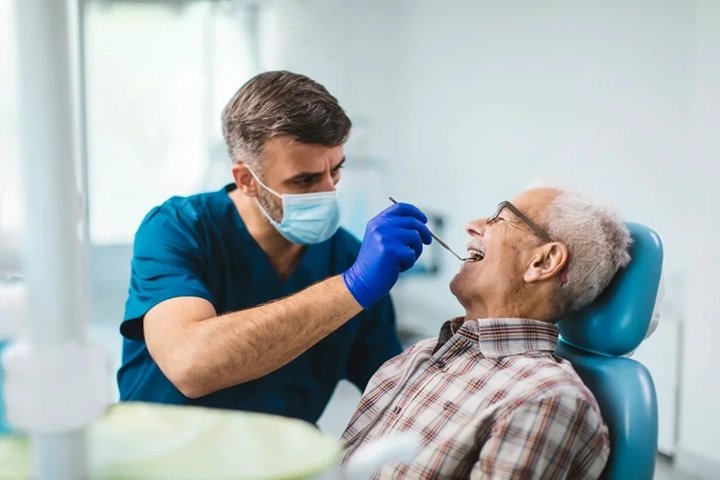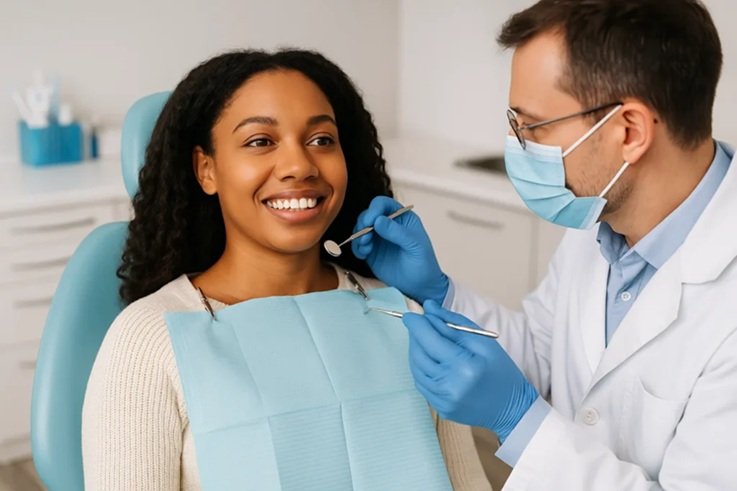
Preventive care at a family dental practice protects your health before pain starts. You get clear steps, not surprises. During a routine visit, your dentist checks your teeth, gums, and jaw. You also get gentle cleaning to remove plaque and tartar that daily brushing misses. Next, your dentist looks for early signs of decay, grinding, or infection. You may need X‑rays so small problems show before they turn into emergencies. Then you talk through simple habits for home care. The dentist may suggest fluoride, sealants, or a custom mouthguard. Some family practices also guide you on options like Invisalign treatment in Homer Glen if your teeth are crowded or uneven. You leave each visit with a clear plan, fewer worries, and a stronger sense of control over your health.
What happens at a routine preventive visit
A routine visit usually follows a steady pattern. You know what is coming. That reduces fear and stress for you and your child.
You can expect three main steps.
- Review of your health and daily habits
- Exam of teeth, gums, and bite
- Cleaning and a clear plan for care at home
First, the team asks about your health, medicines, and past dental work. This helps them spot risks early. For example, some medicines dry your mouth. That raises the chance of cavities.
Second, the dentist and hygienist look at every tooth and the gums around each tooth. They measure any pockets near the gums. They also check how your teeth meet when you bite.
Third, they clean your teeth to remove plaque and tartar. This helps stop gum infection and bone loss. The visit ends with simple next steps you can follow at home.
Screening tools your dentist may use
Preventive care relies on early warning signs. Your dentist may use different tools to find trouble before you feel pain.
- X‑rays to see between teeth and under fillings
- Light or camera tools to show early decay or cracks
- Gum depth checks to spot early gum disease
The Centers for Disease Control and Prevention reports that tooth decay is common in children and adults. Early checks lower the risk of sudden infection and costly care.
Cleaning, fluoride, and sealants
Cleaning is not cosmetic. It protects your mouth from infection.
- Scaling removes hard tartar that traps bacteria
- Polishing clears stains and smooths tooth surfaces
- Flossing between every tooth finishes the cleaning
After cleaning, the dentist may suggest two simple treatments.
- Fluoride. A rinse, foam, or varnish that strengthens the outer layer of the tooth.
- Sealants. A thin coating over the chewing surface of back teeth. This blocks food and germs.
The National Institute of Dental and Craniofacial Research shows that sealants reduce cavities in permanent molars in children. This simple step protects the teeth that do most of the chewing.
How often you should go
Most people do best with a visit every six months. Some need more frequent care. For example, you may need more visits if you have:
- Diabetes
- Past gum surgery
- Many fillings or crowns
- Dry mouth
- Smoking history
Talk with your dentist about the schedule that fits your risk and budget.
Comparison of common visit types
| Type of visit | Main purpose | What usually happens | How often |
|---|---|---|---|
| Routine checkup and cleaning | Prevent problems | Exam, cleaning, X‑rays as needed, fluoride or sealants, home care plan | Every 6 to 12 months |
| Deep cleaning | Treat gum infection | Cleaning under gums, numbing, follow up on healing | As recommended by dentist |
| Emergency visit | Relieve pain or fix break | Focused exam, X‑ray, short-term relief, plan for repair | When pain, swelling, or trauma occurs |
| Orthodontic visit | Straighten teeth and improve bite | Impressions or scans, photos, discussion of braces or clear aligners | Every 4 to 8 weeks during treatment |
Preventive care for children and teens
Children need steady routines. A family practice helps teach those habits early.
You can expect the dentist to:
- Count and check each tooth as it comes in
- Watch jaw growth and spacing
- Apply fluoride and sealants when needed
- Coach your child on brushing and flossing
For teens, the dentist also watches for grinding, sports injuries, and early crowding. They may suggest a mouthguard or early orthodontic care. This protects teeth during key growth years.
Preventive care for adults and older adults
Adults face different risks. These include gum disease, worn teeth, and old fillings that start to leak.
The dentist checks for:
- Gum loss and loose teeth
- Broken or cracked fillings
- Signs of oral cancer
- Dry mouth from medicines
Older adults may also need help with dentures or partials. Regular visits keep these devices fitting well and prevent sores.
Your role between visits
Preventive care does not stop at the office door. What you do at home each day has a strong impact. Focus on three habits.
- Brush twice a day with fluoride toothpaste
- Floss once a day
- Limit sugary drinks and snacks
Also, drink water, wear a mouthguard for sports, and do not smoke. These steps cut the risk of decay, gum disease, and oral cancer.
What to ask at your next visit
Clear questions help you get the most from preventive care. You can ask:
- What is my greatest risk right now
- What can I change at home to lower that risk
- How often should I return for cleaning and exams
- Do I need fluoride, sealants, or a mouthguard
- Are my X‑rays up to date
Steady preventive care at a family dental practice gives you structure, protection, and relief. You trade surprise emergencies for planned visits. You gain a safer mouth and fewer hard decisions.