Cosmetic care should feel normal in family life, not a secret treat or a guilty wish. You want your smile to match who you are. You also want care that fits your schedule, your budget, and your daily habits. A trusted Richmond Hill dentist can blend cosmetic services into regular checkups so you do not need extra visits, long recovery, or complex plans. Instead, you add small, smart steps to what you already do. This blog shows six options that work well for busy parents, teens, and older adults. You see how each service supports clean teeth, strong gums, and steady long-term health. You also learn what to expect at each visit, how long it takes, and what you need to do at home. You keep your focus on simple routines. You still gain a calm, confident smile.
1. Professional Cleaning With Polishing
Your routine cleaning already does cosmetic work. A careful polish can lift surface stains from coffee, tea, or soda. It can also smooth rough spots that trap plaque.
During a cleaning visit, you can ask for:
- Extra stain removal on front teeth
- Polishing that targets rough edges
- Simple tips on stain control at home
The care team uses tools that are safe for teeth and gums. You feel some pressure but no sharp pain. You walk out with a brighter smile after the same visit you already planned.
The Centers for Disease Control and Prevention explains how routine care lowers decay and gum disease.
2. Conservative Tooth Whitening
Whitening does not need strong bleach or long chair time. You can fold it into a checkup with clear limits that protect your teeth.
You and your dentist can:
- Review your health and any sensitivity
- Pick an in-office or take-home option
- Set a simple plan for touch-ups
In-office whitening often takes about one hour. Take-home trays use lower strength gel and short daily use. You avoid harsh products from the store that can burn gums or wear enamel. You also get a shade that matches your face and age instead of a stark color that feels fake.
3. Tooth Colored Fillings That Blend In
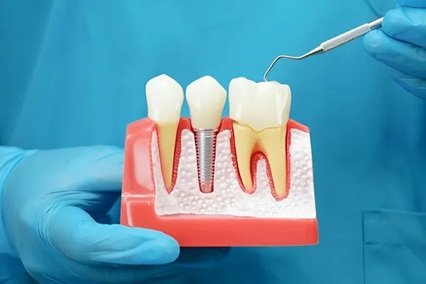
Many families still think of silver fillings. Today, you can choose tooth colored material that bonds to your tooth and blends with your smile. You add cosmetic value every time you treat a cavity.
At a routine visit, your dentist can:
- Check old metal fillings for leaks or cracks
- Plan safe replacement with tooth colored material
- Match the shade to nearby teeth
The work happens during the same type of visit as a standard filling. You gain repair and a natural look at the same time. The National Institute of Dental and Craniofacial Research explains how fillings restore tooth structure.
4. Small Bonding Repairs For Chips And Gaps
Bonding uses the same tooth colored material as many fillings. Your dentist shapes it on the front of a tooth to cover chips, short cracks, or small gaps. The work often needs no shot and little drilling.
Bonding fits well into routine care when you:
- Notice a chip on a front tooth
- See a small gap that snags food
- Have wear from grinding or nail biting
The dentist cleans the tooth. Then a gentle gel roughens the surface. Next, the bonding material goes on in thin layers. A bright light hardens each layer. The final shaping and polishing make the repair look like natural enamel.
5. Simple Contouring And Shaping
Sometimes a tooth only needs a small change in shape. A rough corner or high edge can cut your lip or catch your tongue. Careful contouring can fix the shape and improve the look in minutes.
During a checkup, your dentist can:
- Mark high or rough spots with colored paper
- Gently smooth the enamel with a fine tool
- Polish the surface so it feels even
This service works well for slightly uneven front teeth. It also helps if a tooth looks longer than its neighbors. The change is small but can calm your bite and your smile.
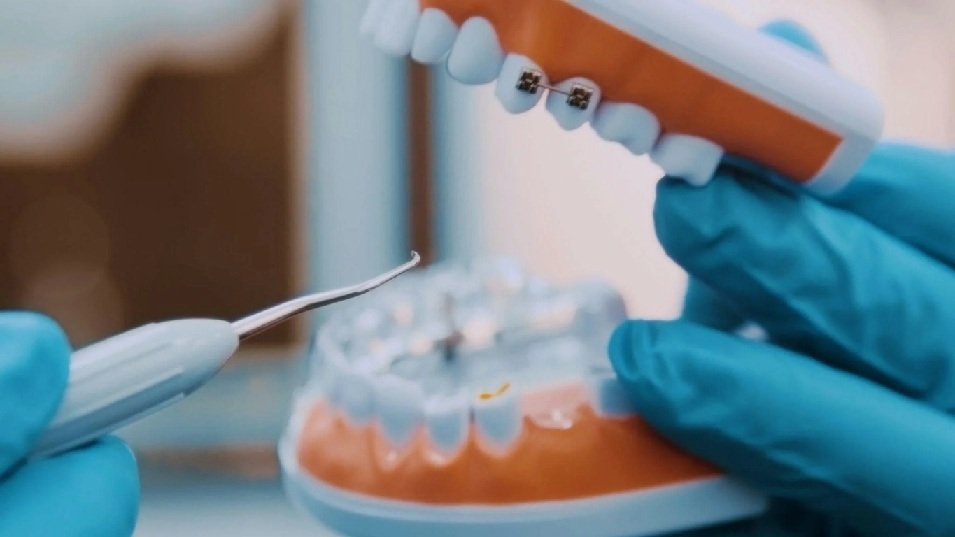
6. Aligned Smiles With Clear Planning
Teeth that line up well are easier to clean and less likely to trap food. Straightening can sound complex. Yet you can start with short talks during routine visits. That calm pace helps families decide what fits their lives.
Your dentist can:
- Review crowding or bite issues at yearly exams
- Explain simple options such as short-term aligner plans
- Coordinate with an orthodontist when needed
Some changes start with small moves of the front teeth that show when you smile. These plans can use clear aligners or limited braces. Each step links to your cleaning schedule so you do not add extra visits.
Comparison Of Common Cosmetic Services In Routine Care
| Service | Typical Time Added To Visit | Works Well For | Common At Home Needs |
|---|---|---|---|
| Cleaning with polishing | 10 to 15 minutes | Stains and rough spots | Brushing, flossing, limit dark drinks |
| Tooth whitening | 60 minutes in office or short daily tray use | Yellow or darkened teeth | Use trays or touch-up kit as directed |
| Tooth colored fillings | 30 to 60 minutes per tooth | Cavities and old metal fillings | Good brushing and flossing |
| Bonding | 30 to 60 minutes per tooth | Chips, small gaps, worn edges | Avoid biting hard objects |
| Contouring and shaping | 15 to 30 minutes | Minor uneven edges | Routine care, bite checks as needed |
| Short term alignment planning | 15 to 30 minutes for review | Mild crowding or spacing | Wear aligners or appliances as directed |
Keeping Cosmetic Care Part Of Family Routine
You do not need a full makeover to feel proud of your smile. You only need steady steps that match your daily life.
You can:
- Use your six-month visits to ask about small changes
- Pick one or two services that line up with your budget
- Review results each year and adjust your plan
When cosmetic care blends with routine care, you gain more than looks. You lower the risk of decay and gum disease. You keep teeth strong for decades. You also show children that caring for a smile is normal, calm, and worth the effort.