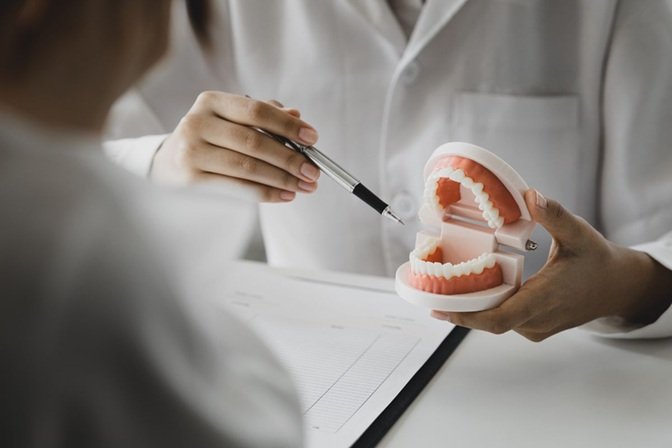
Your mouth affects your whole body. Pain, infection, and gum disease can strain your heart, sleep, and mood. You may feel tired, stressed, or embarrassed. You might also feel unsure where to start. This blog shares 6 clear tips to protect your teeth and your body at the same time. You will see how daily habits, food choices, and simple routines can lower pain and prevent disease. You will also learn when to ask for help from a holistic dentist in Minnesota who understands how your mouth connects to your overall health. Each tip is direct, practical, and easy to use at home. You can use these steps if you already have problems or if you want to prevent them. Small changes can protect your smile, support your body, and ease your mind.
1. Clean your mouth with care, not force
Strong scrubbing hurts your gums. Gentle, steady care works better.
Use this routine twice each day.
- Use a soft toothbrush
- Brush for two minutes
- Clean along the gumline in small circles
- Brush your tongue to reduce odor and germs
Next, clean between teeth. Food and germs hide there and cause bleeding gums and bad breath.
- Use floss or small interdental brushes once a day
- Slide along the side of each tooth, not into the gum
- Rinse with water after you floss
The Centers for Disease Control and Prevention explains how gum disease links to heart and blood sugar problems.
2. Choose food that calms your mouth and body
What you eat shapes your teeth, gums, and energy. Sugar feeds the germs that cause cavities. Acid from soda and sports drinks wears away enamel.
Use this simple rule of three.
- Eat whole foods such as vegetables, fruit, nuts
- Drink plain water as your main drink
- Keep sweets for rare treats, not daily habits
Also, space out snacks. Constant snacking keeps acid on your teeth. That raises the risk of pain and fillings.
The National Institutes of Health shares how diet affects oral health.
3. Watch how your mouth reflects stress and sleep
Your mouth often shows strain before you notice it. Stress and poor sleep can cause jaw clenching, dry mouth, and sores.
Look for these signs.
- Flat or chipped teeth from grinding
- Morning jaw pain or headaches
- Dry mouth, thick saliva, or sticky feeling
Then take three simple steps.
- Set a regular sleep schedule
- Avoid screens and heavy meals before bed
- Practice slow breathing for a few minutes at night
If grinding or snoring continues, talk with your dentist. A simple night guard or referral for a sleep study can protect teeth and support your heart and brain.
4. Use gentle products that support your whole body
Many people worry about strong chemicals. You can choose products that feel safer and still work.
When you pick toothpaste and mouthwash, read the label.
- Aim for fluoride if your dentist agrees
- Avoid strong alcohol mouthwashes if your mouth feels dry
- Skip whitening strips if your teeth feel sensitive
Natural products can help. Still, they should not burn, stain, or promise instant cures. If you use herbal rinses or oils, share them with your dentist. Together you can see if they fit your health history and medicines.
5. Match your habits to your health conditions
Your mouth care should match your health. Diabetes, pregnancy, and some medicines change your gums, saliva, and cavity risk.
Use this table as a quick guide.
| Health situation | Common mouth changes | Helpful steps |
|---|---|---|
| Diabetes | More gum swelling and infections | Check blood sugar, clean teeth carefully, get cleanings every 3 to 4 months |
| Pregnancy | Bleeding gums, higher cavity risk | Brush after morning sickness, use a soft brush, schedule a checkup |
| Dry mouth from medicines | Sticky mouth, trouble chewing and swallowing | Sip water, use sugar-free gum or lozenges, ask about saliva products |
| Heart disease | Higher risk from untreated gum disease | Tell your dentist about blood thinners, keep regular cleanings |
| Child with braces | Food trapped around wires and brackets | Use floss threaders, small brushes, and fluoride toothpaste |
Bring a list of medicines and diagnoses to each dental visit. That simple step helps your dentist choose safe treatment and numbing methods.
6. Build a long-term partnership with your dentist
Strong oral health grows from trust. You deserve a dentist who listens, explains, and respects your choices.
Use these three questions when you meet or call a new office.
- How do you connect oral health with overall health
- How do you handle metal fillings, fluoride, and x rays
- How do you support people who feel fear or past trauma
Then notice how the team responds. Clear answers, simple words, and patience show respect. Rushed talk and pressure create unease. You can ask for second opinions. You can bring a trusted person to your visit.
Putting it all together
Strong oral health does not depend on one product or one visit. It grows from three steady habits. Daily cleaning. Thoughtful food. Regular, respectful care with a dentist who sees you as a whole person.
You can start today. Pick one change from this guide and keep it for two weeks. Then add a second change. Step by step, your mouth will feel calmer. Your body will feel stronger. Your confidence will rise each time you smile, speak, and eat without fear.