Your mouth needs steady care all year. Not only when you are in pain. Preventive treatments protect your teeth, gums, and jaw before small problems grow into severe damage. They also lower your risk of sudden infections that send you searching for an emergency dentist in Hoffman Estates . You may brush and floss every day. Still, plaque, tiny cracks, and early decay can hide where you cannot see or reach. Regular checkups and simple treatments stop these from turning into broken teeth, deep cavities, or gum disease. This guide walks you through six proven steps that keep your mouth strong through every season. You will see what each treatment does, how often you need it, and what to expect at each visit. Then you can plan your care with less fear and more control.
1. Routine exams and cleanings
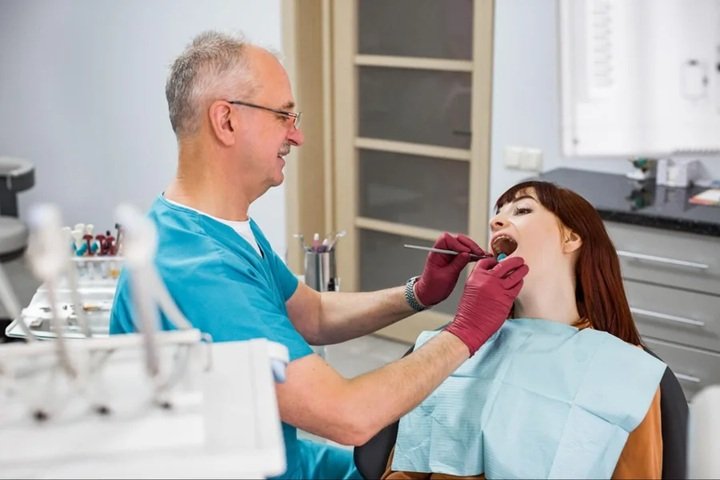
Routine visits form the base of year-round oral health. An exam and cleaning every six months lets your dentist spot trouble early and remove buildup that daily brushing misses.
During an exam, your dentist checks:
- Teeth for wear, cracks, and early decay
- Gums for swelling, bleeding, or recession
- Tongue, cheeks, and the roof of your mouth for sores or color changes
During a cleaning, a hygienist:
- Scrapes hardened plaque called tartar from teeth
- Polishes teeth to smooth rough spots
- Reviews brushing and flossing habits with you
2. Fluoride treatments
Fluoride strengthens the outer layer of your teeth. This layer protects the softer inner part from acid and bacteria. Fluoride can reverse very early decay before a cavity forms.
At a visit, fluoride comes as a gel, foam, or varnish. The dentist paints or places it on your teeth for a short time. You then avoid food and drink for a brief period so it can work.
Fluoride is safe in the right amount for children and adults. It lowers the chance of cavities in both baby and adult teeth.
3. Dental sealants
Sealants protect the chewing surfaces of back teeth. These teeth have deep grooves that trap food. A toothbrush cannot always reach into them. That makes them a common spot for cavities.
A sealant is a thin coating that covers those grooves. It blocks food and bacteria. The process is quick and painless.
- The dentist cleans the tooth.
- A gentle solution prepares the surface.
- The sealant is painted on and hardened with a curing light.
Sealants work well for children once molars come in. They also help teens and adults with high cavity risk.
4. Gum care and deep cleaning
Your gums hold your teeth in place. When they get infected, you may not feel pain at first. You might see bleeding, swelling, or bad breath. If this continues, bone can shrink, and the teeth can loosen.
Preventive gum care includes:
- Regular cleanings to remove plaque along the gumline
- Careful flossing to clear food between teeth
- Checks for gum pockets and recession at each exam
If early gum disease starts, your dentist may suggest a deep cleaning. This treatment removes plaque and tartar from below the gumline. It also smooths the root surface so the gum can heal.
5. Mouthguards for sports and night grinding
Strong teeth can still crack from force. Common causes include sports injuries and night grinding. A custom mouthguard cushions your teeth and jaw.
There are two main types.
| Guard type | When you use it | Main benefit |
|---|---|---|
| Sports mouthguard | During contact sports or activities with falls | Protects teeth and lips from hits |
| Night guard | While sleeping, if you clench or grind | Reduces wear, cracks, and jaw strain |
A custom guard fits your mouth more closely than a store-bought version. It feels more stable. It also gives better protection for your teeth, jaw joints, and even neck muscles.
6. X-rays and early problem checks
Some problems hide between teeth or under old fillings. Others sit in the bone. X-rays help your dentist see these silent threats before they cause pain.
Common uses include:
- Finding decay between teeth
- Checking bone loss from gum disease
- Watching wisdom teeth that may get stuck
- Reviewing root shape before treatment
Modern dental X-rays use low radiation. Dentists only take them as often as needed based on your risk, age, and history.
How often you may need each treatment
Your schedule depends on your health, age, and habits. Still, many people follow patterns like these.
| Treatment | Common schedule | Main goal |
|---|---|---|
| Exam and cleaning | Every 6 months | Catch early problems and remove plaque |
| Fluoride treatment | Every 3 to 12 months | Strengthen enamel and reduce decay |
| Dental sealants | Once on new molars, checked yearly | Protect chewing surfaces from cavities |
| Gum deep cleaning | As needed for gum disease | Control infection and save support bone |
| Mouthguards | Nightly or during sports | Prevent breaks and wear |
| X rays | Every 1 to 3 years for healthy mouths | Reveal hidden disease |
Putting it all together for your family
You can protect your household with three steady steps.
- Set regular exams for every person in your home.
- Add fluoride, sealants, or guards when your dentist suggests them.
- Call early when something feels off, such as bleeding gums or tooth pressure.
Quiet daily choices protect you from sudden dental fear and high costs. With planned preventive care, you keep control and protect your smile throughout the year.