A damaged or stained tooth can drain your confidence fast. You may hide your smile. You may avoid photos. You may even skip social events. You deserve a mouth that looks natural and feels strong. Crowns and veneers often work together to restore that trust in your smile. Each one has a clear job. Together they protect weak teeth, cover deep stains, and even out chips and gaps. They do this while keeping your teeth looking real. Many people already use clear aligners in Norcross to straighten teeth. After that, crowns and veneers can fine-tune color, shape, and strength. This mix of treatments can turn worn teeth into a calm, steady smile that matches your face and your age. In this guide, you will see five clear ways crowns and veneers can support each other and help you feel ready to smile again.
1. They protect weak teeth and keep your bite steady
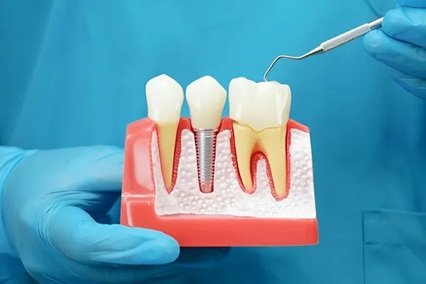
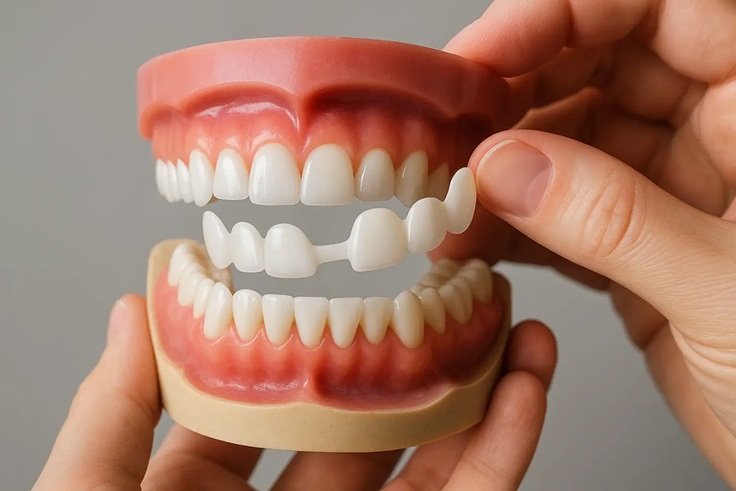
Crowns cover the full tooth above the gum. Veneers cover only the front. You often need both when one tooth has serious damage, and the one next to it only has surface wear. You get full strength where you need it and light coverage where you do not.
This balance protects how your top and bottom teeth meet. A crown can take heavy chewing forces. A veneer can keep a healthy tooth from wearing down more. Together, they spread pressure so one tooth does not crack or shift.
The National Institute of Dental and Craniofacial Research explains that untreated decay and fractures raise the risk of more tooth loss. You lower that risk when you cover weak spots before they fail.
- Crowns guard teeth with big fillings or cracks
- Veneers shield thin enamel and worn edges
- Both help keep your bite even and steady
2. They create one natural color across your whole smile
Many people worry that crowns and veneers will not match. You may fear a patchwork look. Careful planning prevents that. Your dentist first chooses the base color for the full smile. Then the lab designs crowns and veneers together so they share the same shade and shine.
This works well when you have a mix of needs. You may need crowns on the back teeth that had root canals. You may need veneers on front teeth with stains or small chips. When both are planned at once, the surface color lines up, and the smile looks like it grew that way.
Color And Coverage: Crowns Versus Veneers
| Feature | Crowns | Veneers |
|---|---|---|
| How much tooth is covered | Whole tooth above the gum | Front face and edge only |
| Best use | Heavily damaged or weak teeth | Stains, small chips, mild shape issues |
| Color control | Strong control for dark teeth | Fine tuning for front smile line |
| Typical spot | Back teeth or very damaged front teeth | Front and side teeth that still have strength |
Planned as a set, the crowns handle tough cases. Veneers handle fine detail. You get one steady color across every tooth that shows when you smile.
3. They correct chips, gaps, and uneven edges at the same time
Life is rough on teeth. Sports, grinding, and simple aging can chip edges and create tiny gaps. One tooth may be short. Another may lean. Crowns alone can fix this, but you may not need that much work on every tooth.
Instead, a crown can rebuild a badly broken tooth. Then veneers on the neighbors can close small spaces and level the line of your teeth. You get a smooth row without shaving down every tooth.
The American Dental Association’s MouthHealthy site explains that cosmetic treatment often blends methods. Crowns, veneers, and bonding can all play a part. A mix lets you keep as much natural tooth as possible while still changing the shape you see in the mirror.
- Use crowns where structure is lost
- Use veneers where the shape needs only a small change
- Plan them together so edges and heights match
4. They support results from clear aligners and braces
Teeth that line up well are easier to clean. They also look calm and even. Still, straight teeth can have old stains, worn corners, or white spots that braces and clear aligners cannot fix. This is where crowns and veneers step in.
After your bite is straight, your dentist can:
- Place crowns on teeth that had large cavities before alignment
- Add veneers to front teeth that show stains or pitting
- Adjust tooth size so the smile line follows your lip
First, you correct the position. Next, you correct the shape and color. This two-step path keeps teeth healthy while giving a natural look. You protect the time and money you already spent on straightening. You also reduce sharp edges that can chip after braces come off.
5. They help protect your long-term oral health
Crowns and veneers do more than change looks. They can help you keep your teeth for a longer time. A cracked tooth left open can split. A thin front edge can break while you eat. Addressing these weak spots early can prevent sudden pain and costly emergencies.
Here are three long-term benefits when crowns and veneers work together.
- You may avoid extractions by covering deep cracks
- You may reduce wear on lower teeth by smoothing sharp upper edges
- You may feel more willing to brush and floss well when you like your smile
When you feel proud of your teeth, you tend to protect them. You show up for cleanings. You ask questions. You take small daily steps that cut the risk of decay and gum disease.
Preparing for a talk with your dentist
You do not need to know every dental term. You only need to share what bothers you. Bring three points.
- What you see in the mirror that you want to change
- Any teeth that hurt or feel weak when you chew
- Your budget and how fast you hope to finish treatment
Your dentist can then explain where a crown is safer and where a veneer is enough. Together, you can plan a mix that protects your health and keeps your smile looking natural. You deserve teeth that let you eat, talk, and laugh without fear. Crowns and veneers, used with care, can help you reach that goal in a steady and lasting way.