A straight smile is not only about looks. It also shapes how you eat, speak, and feel about yourself every day. When you combine orthodontics with cosmetic procedures, you fix both function and appearance at the same time. This approach can shorten treatment time, reduce extra visits, and give you a result that feels complete. For some people, that may include Tooth extraction in Van Nuys as part of a clear plan. Other steps might include clear aligners, braces, bonding, or whitening. Each step supports the others. You see progress sooner. You also avoid repeating work later. This blog explains how pairing tooth movement with cosmetic care can protect your bite, prevent wear, and calm long-term stress about your smile. You gain a look you trust and a mouth that works well in daily life.
Why straight teeth matter for everyday health
Straight teeth are easier to clean. Crooked or crowded teeth trap food. That raises the risk of cavities and gum disease. The Centers for Disease Control and Prevention explains that poor oral health is linked to heart disease and diabetes.
Aligned teeth also spread bite forces evenly. When teeth tilt or twist, pressure hits a few teeth too hard. That can cause cracks, worn edges, and jaw pain. You may grind at night without knowing it. Over time, this can change your face shape and your comfort when you chew.
Finally, your smile affects how you move through the world. You may avoid photos, hide your teeth when you laugh, or skip social events. Straight teeth alone help. Combined care can quiet that constant tension.
What combined orthodontic and cosmetic care means
Combined care uses one plan to guide tooth movement and cosmetic changes together. You and your dentist agree on three linked steps.
- You move teeth into healthy positions.
- You repair chips, shape edges, or close small gaps.
- You match color and shape for a steady look.
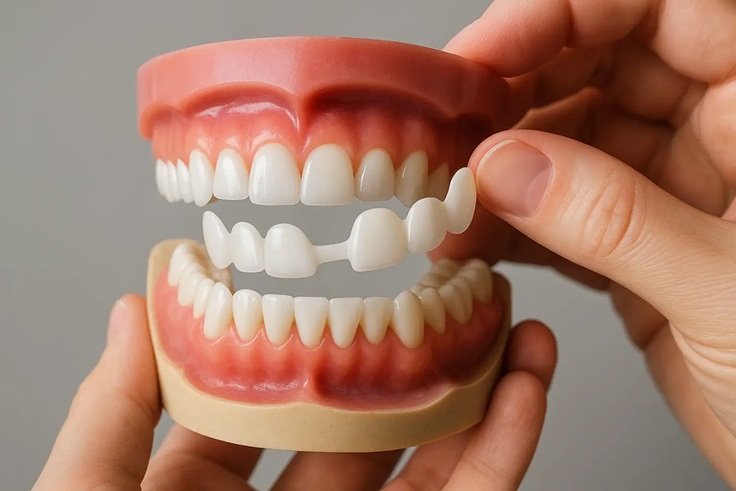
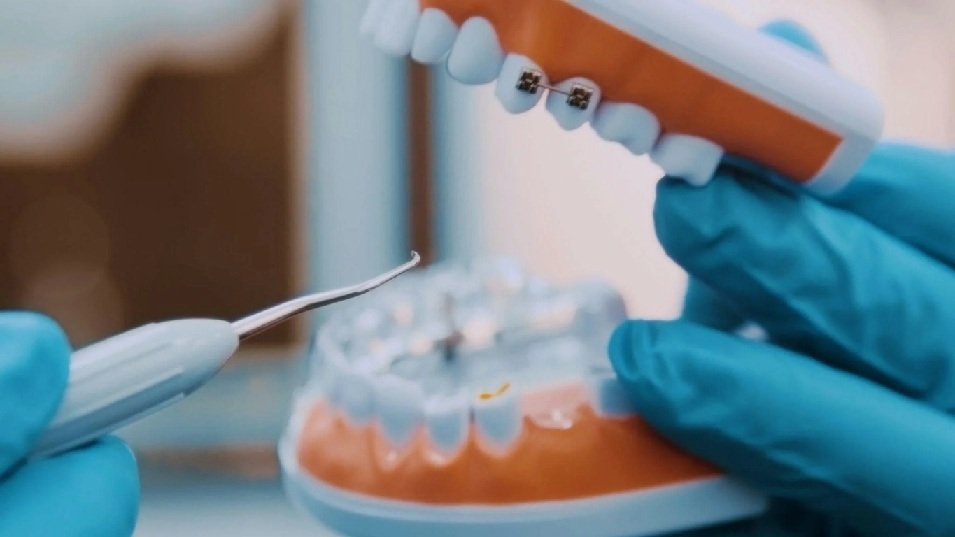
Orthodontic treatment might use braces or clear aligners. Cosmetic steps might use bonding, veneers, contouring, or whitening. Each choice depends on your age, health, and goals.
The key point is order. You move teeth first in most cases. Then you refine shape and color. That way, you do not place bonding or veneers on teeth that will still shift. You save time and money.
Common problems this approach can fix
Combined care can help you when you face three common problems.
- Crowded teeth with staining or chips.
- Spacing or gaps with worn or short teeth.
- Bite problems with uneven tooth size.
For example, you may have upper front teeth that flare out. They look long and uneven. Orthodontics can pull them into better alignment. Cosmetic contouring can then smooth sharp corners. Whitening can match shades across your smile.
Another example is a teen with crowding and a deep overbite. Braces can correct the bite. Later, bonding can repair worn edges caused by years of teeth hitting too hard.
Benefits for children, teens, and adults
Every age group can gain something unique from this approach.
Benefits of Combining Orthodontic and Cosmetic Care by Age Group
| Age group | Main goals | Combined care benefits |
|---|---|---|
| Children | Guide jaw growth and tooth position | Less crowding, easier cleaning, fewer extractions later |
| Teens | Align teeth and protect self confidence | Clear plan for braces or aligners plus later whitening or minor repairs |
| Adults | Correct long-standing bite issues and improve appearance | Shorter treatment, fewer repeat procedures, support for worn or damaged teeth |
The National Institute of Dental and Craniofacial Research notes that early orthodontic review can prevent more serious problems.
How combined care can reduce cost and time
A single clear plan can reduce total visits. It also cuts the risk that you will pay twice to fix the same spot.
- You avoid whitening teeth before braces stain them again.
- You avoid placing bonding on teeth that still need to move.
- You avoid crowns that later need reshaping for bite correction.
Instead, you take cosmetic steps for the end of tooth movement. That makes the result last longer. It also lets your dentist use more conservative repairs. Small bonding rather than large crowns. Minor contouring rather than removal of a healthy tooth.
Sample treatment paths
Every mouth is different. Still, three common paths show how this works.
- Path one. Clear aligners straighten mild crowding. Then whitening brightens all teeth. Last, bonding closes a small gap and fixes one chip.
- Path two. Braces correct a deep overbite and crossbite. Then, limited contouring smooths rough edges. Finally, whitening creates a steady shade.
- Path three. Orthodontics creates space for a missing tooth replacement. Then an implant or bridge fills the space. Last, bonding blends shape so it matches nearby teeth.
Each path respects health first. Appearance follows health. Together, they create a smile that works and looks steady.
Role of extractions and other supportive steps
Sometimes teeth are too crowded for safe movement. In those cases, removal of one or more teeth can give needed space. That choice is never taken lightly. You and your dentist should review X-rays, bite records, and growth patterns before any extraction.
Other supportive steps might include:
- Gum contouring to even gumlines.
- Night guards to protect new tooth positions.
- Fluoride treatments to strengthen enamel during treatment.
Each step supports the main plan. All parts work together to protect your new smile.
Questions to ask your dental team
You can protect yourself by asking clear questions.
- What is the full sequence of my treatment from start to finish?
- Which parts are orthodontic and which are cosmetic?
- How long will tooth movement take before cosmetic steps begin?
- What are the risks if I skip one part of the plan?
- How will this plan protect my teeth and gums over time?
Also ask for photos or models that show likely results. A clear picture can help you set real expectations for your smile and your time.
Keeping your new smile strong
After treatment, you hold the power to protect your investment. Three habits matter most.
- Wear your retainer as instructed.
- Brush twice a day with fluoride toothpaste and clean between teeth daily.
- See your dentist for routine checkups and cleanings.
These steps lower the risk of cavities along brace marks or near bonding edges. They also prevent your teeth from drifting back toward old positions.
Taking the next step with confidence
Combining orthodontics with cosmetic procedures gives you more than a straight smile. It gives you a mouth that feels strong when you chew, clean when you brush, and steady when you speak. With a careful plan, you can cut repeat work, manage cost, and protect your health.
You do not need a perfect smile. You only need a smile that lets you live, eat, and speak without constant worry. A clear, combined plan can help you reach that point with less stress and more control.