Dental implants cause fear for many people. You may picture pain, long recovery, and strange metal in your mouth. These thoughts often come from old stories, not facts. As a result, you might avoid treatment that could restore your bite and your comfort. This blog clears up common myths so you can decide with calm and clarity. You will learn how implants work, how safe they are, and what they feel like in daily life. You will also see how cost, healing, and long-term success compare to other options. If you are searching for Lower Manhattan dental implants or just starting to ask questions, this guide speaks to you. The goal is simple. You should know what is true and what is not. Then you can talk with your dentist with confidence and choose what fits your health.
Myth 1: Dental implants always hurt a lot
You might fear that an implant will cause sharp pain during and after treatment. That fear is common. It is also out of date.
Dentists use local numbing medicine. You stay awake and feel pressure, but not sharp pain. You may feel sore after surgery. You manage this with over-the-counter pain medicine, cold packs, and rest.
The National Institute of Dental and Craniofacial Research explains that implants replace roots and support strong replacement teeth. When you plan care, your dentist checks your health and tailors the process. This lowers risk and discomfort.
You can expect three things.
- Short visit for placement
- Mild soreness for a few days
Pain that grows or lasts longer is not normal. You should call your dentist at once if that happens.
Myth 2: Dental implants are only for older adults
Many people think implants are only for grandparents. That is false. Age alone does not decide if you qualify.
You may be a good candidate if you
- Have one or more missing teeth
- Have healthy gums
- Have enough bone to hold the implant
Teens can need implants after injury or birth defects. They usually wait until jaw growth stops. Adults of many ages choose implants to avoid loose dentures or bridges that damage nearby teeth.
The key is health. Your dentist checks your medical history, medicines, and habits like smoking. Smoking raises the risk of implant failure. So does uncontrolled diabetes. With good control and support, many people still qualify.
Myth 3: Dental implants look fake
You may worry that an implant tooth will stand out when you smile. Modern implants aim to blend with your natural teeth.
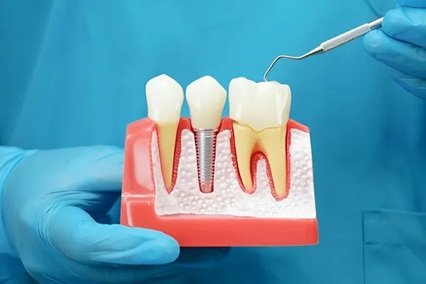
The process includes three parts.
- A small post that acts like a root
- A connector that links the post and crown
- A crown that matches the color and shape of your teeth
The crown is custom-made. Your dentist matches color, size, and shape. People usually cannot tell which tooth is the implant. You brush and floss it like a normal tooth.
The result is steady and quiet. There is no slipping, no clicking, and no need to remove teeth at night. You can laugh, eat, and speak without worry that others will notice.
Myth 4: Dental implants cost more than they are worth
Cost is a real concern. Implants often cost more at the start than dentures or bridges. Yet you should look at the cost over many years, not just the first bill.
The following table compares common options. These numbers are examples only. Costs vary by region, insurance, and your needs.
| Treatment type | Typical use time before major repair | Effect on nearby teeth | Daily comfort |
|---|---|---|---|
| Single dental implant with crown | 10 years or longer with good care | Does not grind or cut nearby teeth | Feels close to a natural tooth |
| Fixed bridge | 5 to 10 years | Often needs grinding of nearby teeth | Stable but harder to clean |
| Removable partial denture | 5 to 7 years | Clips can stress nearby teeth | May feel loose or rub gums |
According to the American Dental Association’s MouthHealthy site, implants can protect bone and nearby teeth. They also help you chew, which supports good nutrition. When you add fewer repairs, fewer sore spots, and less stress, implants often give strong long-term value.
Myth 5: Caring for implants is hard
You may picture special tools and long routines. That picture is not true for most people.
Daily care for implants is simple.
- Brush twice a day with a soft brush
- Clean between teeth once a day
- Use low sugar foods and drinks
You also need regular checkups and cleanings. Your dentist checks the implant, gum health, and bite. You and your care team can catch small troubles early.
Implants cannot get cavities. Yet the gums around them can get infected. That can lead to implant loss. You prevent this with clean habits and steady visits. The routine is the same as for natural teeth. That keeps care simple for your whole family.
How to decide if dental implants are right for you
Deciding on implants is personal. You weigh fear, cost, and time against comfort, chewing strength, and long-term health.
You can start with three steps.
- Write down your questions and worries
- Ask your dentist for a clear treatment plan
- Review your medical history and habits with your care team
When you have facts, myths lose power. You can choose with a clear mind and a steady heart. You deserve teeth that let you eat, speak, and smile without fear.