Healthy teeth let you eat, speak, and smile without fear. Family dentistry protects that comfort for every person in your home. You get one trusted team that follows you and your children through every stage of life. Routine checkups catch small issues early. Simple cleanings stop decay and infection before they spread. Clear guidance at each visit helps you build habits that last. You also gain support when life changes. A chipped tooth, sudden pain, or lost crown does not have to control your day. Your dentist already knows your history and your needs. Even when you need advanced care, like a dental implants dentist in Crest Hill, IL, your family dentist can guide you. You do not have to sort through choices alone. You get steady care, honest answers, and a clear plan that keeps every smile in your family strong.
Why One Dental Home Matters For Your Whole Family
A single-family dentist gives you a stable “dental home.” You know where to go, who to see, and what to expect. That stability lowers stress for you and your children. It also improves your care.
Your dentist can:
- Watch changes in your teeth and gums over many years
- Spot patterns that point to hidden problems
- Adjust your care plan as your health, age, or medicines change
The Centers for Disease Control and Prevention explains that regular dental visits help prevent cavities and gum disease for both children and adults.
Care Across Every Age And Stage
Family dentistry covers care for infants, children, teens, adults, and older adults. The needs change. The support stays steady.
| Life stage | Main needs | How a family dentist helps |
|---|---|---|
| Infants and toddlers | First teeth, feeding issues, early decay | Checks first teeth, teaches brushing, guides on bottles and snacks |
| Children | Cavities, fear of visits, new adult teeth | Gentle exams, cleanings, sealants, fluoride, builds trust with your child |
| Teens | Sports injuries, braces care, sugar drinks | Sports mouthguards, decay checks, honest talks about choices |
| Adults | Work stress, grinding, gum disease, missing teeth | Deep cleanings, night guards, repair work, referrals for implants |
| Older adults | Dry mouth, worn teeth, dentures, health changes | Monitors medicines that affect the mouth, adjusts dentures, protects remaining teeth |
The same office follows your family through each of these stages. You do not need to restart with a new dentist every few years. That saves you time and protects your health.
Prevention First: What Routine Visits Really Do
Two checkups a year feel small. They are not. They are your strongest shield against pain and tooth loss.
At a routine visit, your family dentist will often:
- Review your medical history and medicines
- Check your teeth, gums, cheeks, and tongue
- Clean away plaque and tartar that brushing misses
- Look for early decay, cracks, and gum infection
- Talk about your brushing, flossing, and food choices
The American Dental Association explains that consistent cleanings and exams lower the risk of cavities and gum disease.
Family Habits That Protect Every Smile
Good home care starts with you. A family dentist gives you clear steps that you can use every day.
Three key habits protect your whole home:
- Brush twice a day. Use fluoride toothpaste. Brush for two minutes each time.
- Clean between teeth. Use floss or small brushes once a day.
- Limit sugar. Keep sweet drinks and sticky snacks as rare treats.
Your dentist can help you:
- Set a brushing routine that fits school, work, and sleep
- Pick tools that match each person, such as tiny brushes for kids or softer ones for older adults
- Handle hard moments, like a child who refuses to brush or a teen who stays up late and skips care
Handling Emergencies And Tough News
Even with strong habits, accidents and disease can still hit. A ball to the mouth, a broken filling, or sudden swelling can feel scary.
When you already have a family dentist, you know who to call. You avoid crowded urgent care clinics that may not know your history. Your dentist can often see you fast, calm your fear, and explain your choices in plain language.
For serious findings, such as advanced decay or gum disease, a trusted dentist can share hard news with respect. You get a clear plan instead of blame. That kind of support helps you move from fear to action.
When You Need Specialized Care
Sometimes you need care that goes beyond routine fillings or cleanings. This can include root canal treatment, complex gum treatment, or dental implants. Your family dentist can explain what is happening in your mouth and connect you with the right specialist when needed.
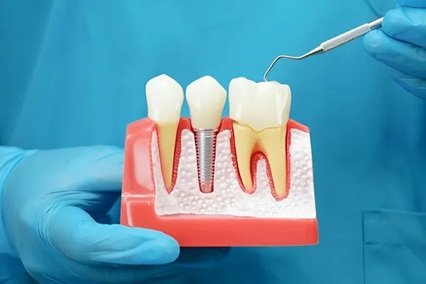
For example, if you lose a tooth or cannot wear a bridge, your dentist may guide you to a dental implants dentist in Crest Hill, IL. You still keep your family dentist as your main partner. You return for checkups, cleanings, and long-term follow-up. That teamwork protects your implant and the teeth around it.
Money, Time, And The Hidden Cost Of Waiting
Many people delay care because of cost or fear. That delay often leads to more pain, more time in the chair, and higher bills later.
| Type of care | When you act early | When you wait |
|---|---|---|
| Cavity | Small filling. One short visit. | Root canal or extraction. More visits and higher cost. |
| Gum disease | Deep cleaning. Home care changes. | Loose teeth, infections, tooth loss. |
| Cracked tooth | Crown or bonding that saves the tooth. | Breaks beyond repair. Tooth removal and replacement. |
Regular family visits lower missed school and work days. They also protect your energy. Tooth pain drains sleep, mood, and focus. Strong prevention keeps you present in your daily life.
Building Trust And Reducing Fear
Many adults carry old memories of painful dental visits. Children often pick up that fear. A steady family dentist can help break that cycle.
Over time, your dentist learns what you fear, what helps you relax, and how your body reacts to treatment. Your children see the same faces at each visit. That trust turns the office from a place of fear into a place of care.
Taking The Next Step For Your Family
You deserve a mouth that lets you eat, speak, and smile without worry. Your children deserve the same. Family dentistry gives you one home for that care.
You can start with three clear steps:
- Schedule checkups for every person in your home
- Write down questions about pain, habits, or past treatment
- Talk honestly with your dentist about your fears and your budget
Small steps today protect you from larger problems later. A trusted family dentist walks with you through each stage of life and keeps your household on a steady path toward lifelong healthy smiles.