Your first visit to a family dentist can stir up fear, worry, or old memories. You might picture cold tools, bright lights, and judgment. You deserve better than that. This first visit is about listening, planning, and giving you control. You will learn what will happen before anything starts. You will see the space, meet the staff, and share your health story. You can ask every question. You can say no. This visit sets the tone for years of care, for you and your family. It is not about perfect teeth. It is about safety, trust, and clear steps you understand. Whether you are new to town or searching for a calmer experience, you can start fresh. To see how one office welcomes new patients, you can look at https://www.suncreekdental.com/areas-we-serve/dakota-station/ and then walk into your own visit with less fear.
Before You Go: What You Can Do At Home
You can lower your stress before you even step inside.
- Gather a list of medicines and health conditions
- Write down any tooth pain, bleeding, or past bad visits
- Note fears, such as shots, sounds, or feeling trapped
You can bring a support person if that helps. You can also bring comfort items for your child, such as a toy or book. The goal is simple. You walk in with fewer unknowns.
For clear background information on routine dental visits, you can read the Centers for Disease Control and Prevention oral health fast facts. These facts show why steady care matters for your mouth and your whole body.
Checking In: What Happens At The Front Desk
The first stop is the front desk. This part is about paperwork and questions. Staff will likely ask you to:
- Confirm your name, address, and contact details
- Share your health history and past surgeries
- List allergies, including to medicine or latex
- Explain dental fears or special needs for you or your child
You can ask how billing works and what your plan covers. You can also ask how the office handles emergencies. Clear answers here give you more peace once you sit in the chair.
Meeting The Team And Seeing The Space
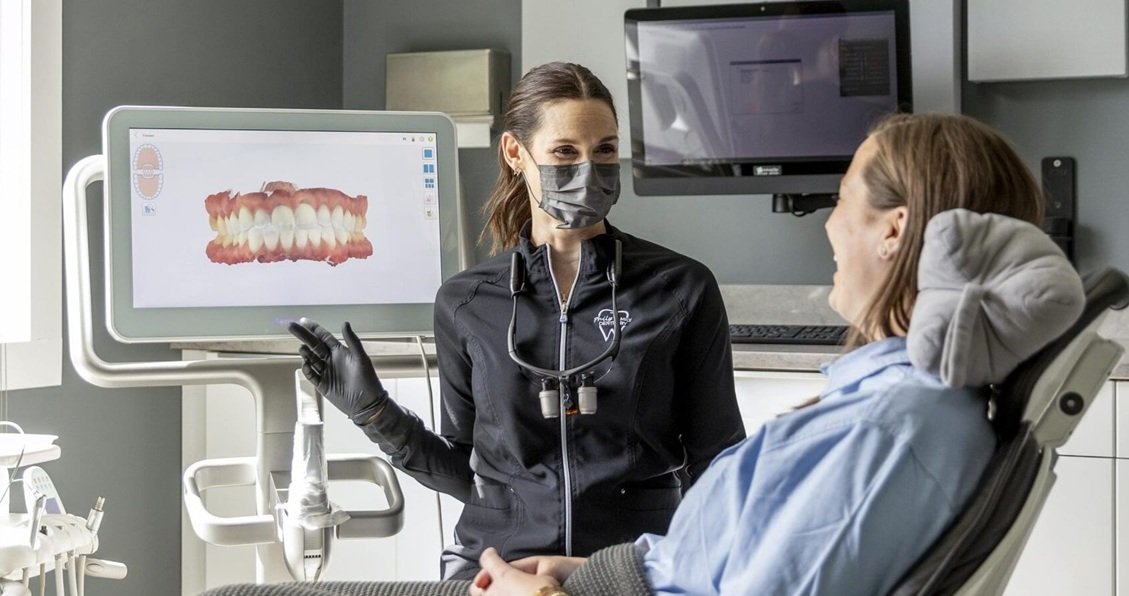
Next, a staff member will lead you to the treatment room. You will see the chair, the light, and the tools. You can ask what each tool does. You can ask for short breaks. You can ask them to explain each step before it starts.
With children, team members often show each tool and use simple words. They may count teeth out loud or use a small mirror to show what they see. You can stay with your child if the office allows it. You can help your child feel safe by staying calm and present.
The First Exam: What The Dentist Checks
The dentist will sit with you and review your health history. You can expect three main parts during a first exam.
- Talking. You share your story, fears, goals, and pain
- Looking. The dentist looks at your teeth, gums, and mouth
- Planning. You agree on next steps together
The dentist will check for cavities, gum disease, and signs of grinding. You may also have your bite checked. This is not only about teeth. Your mouth can show signs of diabetes, heart disease, and other conditions. You can read more about this link in a short guide from the National Institute of Dental and Craniofacial Research.
X Rays And Cleaning: What To Expect
Many first visits include X rays and a cleaning. These help show problems that are hard to see with the eye.
What To Expect From X Rays And Cleaning
| Part of Visit | What Happens | What You Can Do |
|---|---|---|
| X rays | Small sensors or films are placed in your mouth. A machine takes short images. | You can tell staff if you are pregnant or may be pregnant. You can ask about shields and safety. |
| Cleaning | Soft deposits and hard buildup are removed from your teeth. Teeth are then polished and flossed. | You can raise your hand if you need to spit, rest, or stop. You can ask them to avoid sore spots. |
| Gum check | A small tool measures the space between teeth and gums. | You can ask what the numbers mean and how to improve them. |
You may feel some pressure during a cleaning. You should not feel sharp pain. If you do, you can speak up right away.
Talking About A Care Plan
After the exam and cleaning, the dentist will talk with you about what comes next. This plan may include three parts.
- Routine visits two times a year
- Home care such as brushing, flossing, and fluoride use
- Treatment for problems like cavities or gum disease
You can ask for clear language and written steps. You can ask which issues need care soon and which can wait. You can also ask about cost ranges and visit length. Honest answers help you plan without shame or panic.
Helping Children During Their First Visit
You can prepare a child by using simple, calm words. You can say the dentist will count teeth, clean them, and help keep their smile strong. You can avoid scary words. You can praise effort, not perfection.
During the visit you can:
- Stay near your child if allowed
- Let staff lead the talk, then support with gentle words
- Plan a small reward after the visit, such as a park stop
If your child cries, that is common. You can stay steady. You can remind your child that the visit is short and that you are close.
How A Family Dentist Visit Compares To Other Dental Visits
Many people wonder how a family dentist visit compares to other types of dental care. The table below gives a simple view.
Comparison Of Dental Visit Types
| Type of Visit | Who It Is For | Main Focus | How Often |
|---|---|---|---|
| Family dentist first visit | Adults and children | History, full exam, cleaning, long term plan | First step, then usually every 6 months |
| Emergency visit | Anyone with pain or injury | Relief of pain, infection control, quick repair | As needed for sudden problems |
| Specialist visit | Patients sent by a dentist | Specific issues like root canals or braces | Only when referred for special care |
A family dentist often serves as your main point of contact. You start here, then branch out to specialists only when needed.
Leaving The Office: What Happens After
Before you leave, staff will help you set your next visit. You may receive written care steps, medicine instructions, or a printout of your plan. You can ask who to call if you have pain or questions later.
On the way home you might feel tired. You might feel relief. You might feel sore spots where buildup was removed. You can call the office if pain feels strong or if something does not feel right.
Taking The Next Step With Confidence
Your first visit to a family dentist is not a test. It is a starting point. You bring your story. The team brings skill and steady care. Together you agree on clear steps that fit your life.
You do not need a perfect mouth to deserve respect. You only need to show up and speak honestly. Each visit after this one will feel more familiar. Over time, the chair can feel less like a threat and more like a tool you use to protect your health and your family.