Cosmetic dentistry is not only for celebrities or young adults. It can support you at every age. Your teeth change as you grow. So your needs at 16 are not the same as your needs at 60. A family dentist in Redwood City can shape treatment around your stage of life. You might want whiter teeth for a first job. You might need repairs after years of grinding. You might hope to replace missing teeth and chew without worry. Each goal deserves a clear plan. This blog explains four simple ways cosmetic care can match children, teens, adults, and older adults. You will see options that protect health, respect your budget, and fit your daily routine. You can use this guide to ask better questions and push for care that feels personal.
1. Matching Cosmetic Care To Growing Smiles
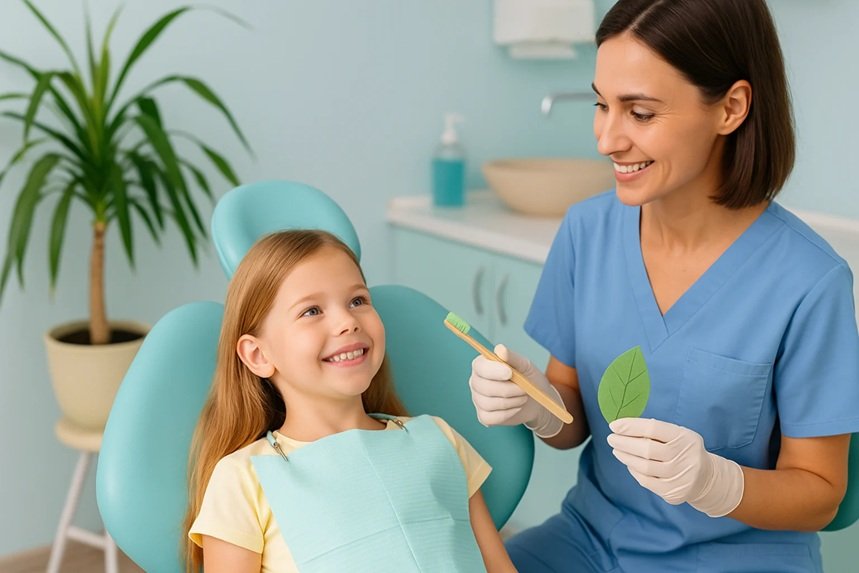
Children and teens still have growing jaws and changing teeth. Cosmetic care must respect that growth. It also needs to keep tooth enamel strong.
For younger patients, dentists often focus on three goals.
- Guide teeth into better positions
- Protect weak or chipped teeth
- Build strong habits for a clean smile
Common cosmetic options for this age group include.
- Tooth colored fillings for small cavities
- Dental bonding for chips and small gaps
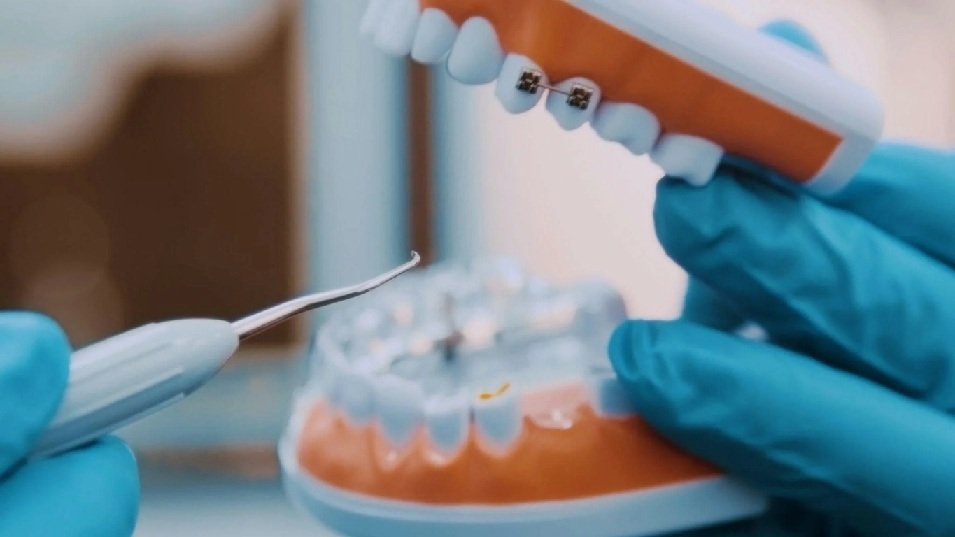
- Clear or metal braces to straighten teeth
- Very mild whitening for older teens when safe
Younger children usually do not need whitening. Their enamel is still thin. Harsh products can cause pain. The Centers for Disease Control and Prevention stresses daily brushing with fluoride and regular checkups. Strong habits give a cleaner smile without heavy cosmetic work.
For teens, appearance can affect school life and self-respect. Clear aligners or simple bonding can fix small issues without drawing attention. The goal is to change quietly without damage to growing teeth.
2. Supporting Confidence In Young Adults
Young adults often want a smile that fits job interviews, college life, or social events. Your teeth are fully grown. That gives safer options. Yet money and time can be tight.
Common goals at this stage include.
- Whiter teeth after braces or years of soda and coffee
- Closing small gaps without long orthodontic care
- Smoothing uneven edges from wear or minor trauma
Popular treatments include.
- Professional whitening under dentist guidance
- Bonding to reshape or lengthen teeth
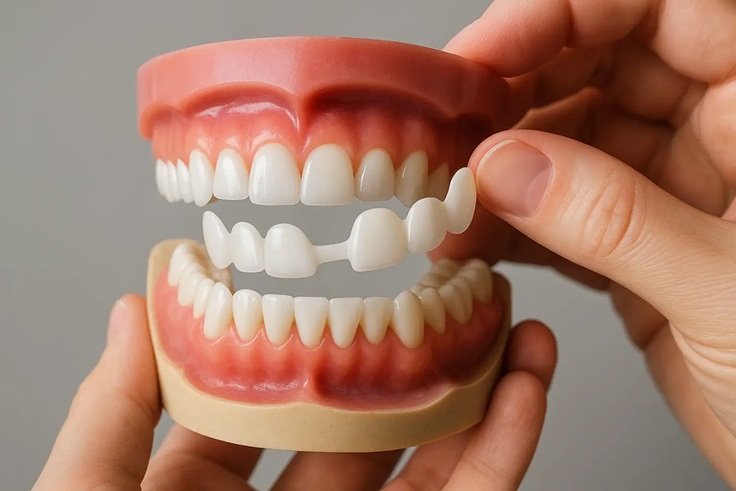
- Minimal veneers in select cases
Professional whitening can remove deep stains more safely than store products. The American Dental Association explains that dentist-supervised whitening lowers the chance of gum burns and strong sensitivity.
For many young adults, small changes give large results. A short whitening session and one or two bonded teeth can shift how you feel when you speak or smile. You do not need a full smile makeover. You need a clear plan that fits your budget in stages.
3. Repairing Wear And Tear In Midlife
By your 30s, 40s, and 50s, life shows on your teeth. You may see cracks, old fillings, or stains that no longer respond to simple whitening. You might also notice jaw pain from grinding.
At this stage, cosmetic care often blends with repair. You may need to fix damage and improve the look at the same time.
- Crowns to cover cracked or heavily filled teeth
- Tooth colored fillings to replace dark metal ones
- Veneers for front teeth with deep stains or wear
- Night guards to protect cosmetic work from grinding
The focus is strength, comfort, and a natural look. Old metal fillings can be replaced with matching materials. Cracked teeth can be covered. Your smile can look calm and steady, not fake.
Many people in this group care for children and aging parents at the same time. You may delay your own care. Yet fixing worn teeth can prevent emergency visits and sudden pain. It also protects your ability to eat a basic diet.
4. Restoring Function For Older Adults
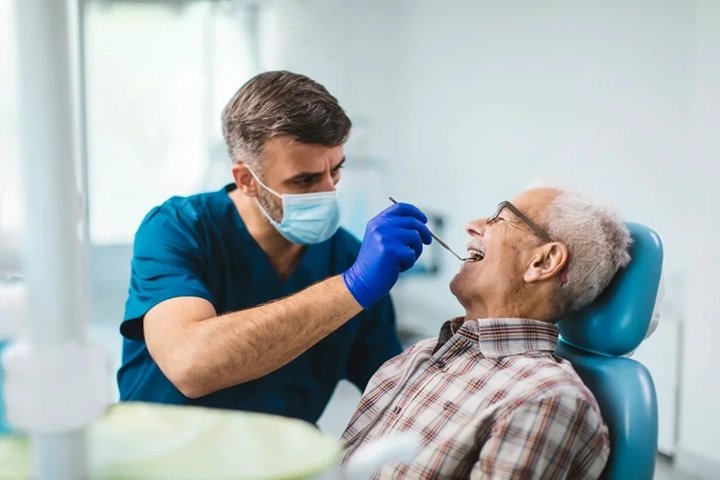
Older adults often face missing teeth, gum loss, and worn bite surfaces. Cosmetic care here is not about perfection. It is about chewing, speaking, and smiling without fear.
Common needs include.
- Replacing missing teeth
- Stabilizing loose dentures
- Improving comfort of existing bridges or crowns
Options may include.
- Dental implants when bone and health allow
- Bridges for single gaps
- Partial or full dentures with natural shapes and shades
Care must also account for medicines, dry mouth, and health issues. The goal is safe treatment that reduces strain, not adds to it. A calm plan can often be broken into simple steps across months or years.
Comparing Cosmetic Priorities By Age Group
| Age group | Main cosmetic goals | Common treatments | Key safety concern |
|---|---|---|---|
| Children and teens | Protect growth and guide straight teeth | Bonding, braces, minor whitening for older teens | Avoid harming developing teeth and gums |
| Young adults | Boost confidence for school and work | Whitening, bonding, limited veneers | Control cost and prevent sensitivity |
| Midlife adults | Repair wear and old dental work | Crowns, tooth colored fillings, veneers | Protect bite strength and jaw joints |
| Older adults | Restore chewing and clear speech | Implants, bridges, dentures | Match health status and medicine use |
How To Ask For Age Smart Cosmetic Care
You deserve care that respects your age, health, and goals. Before any cosmetic treatment, ask your dentist three direct questions.
- How will this help me right now
- How long will the result last with normal use
- What are the risks to my teeth and gums
Request a simple written plan. Include timing, cost ranges, and what happens if you do nothing. That clarity helps you decide with calm, not pressure.
Your smile is not a luxury. It affects how you eat, speak, and meet other people. At any age, the right cosmetic care can support those needs with respect and care.